


Jan 08, 2026
5 min read
Car won’t start? Here’s what to do next?
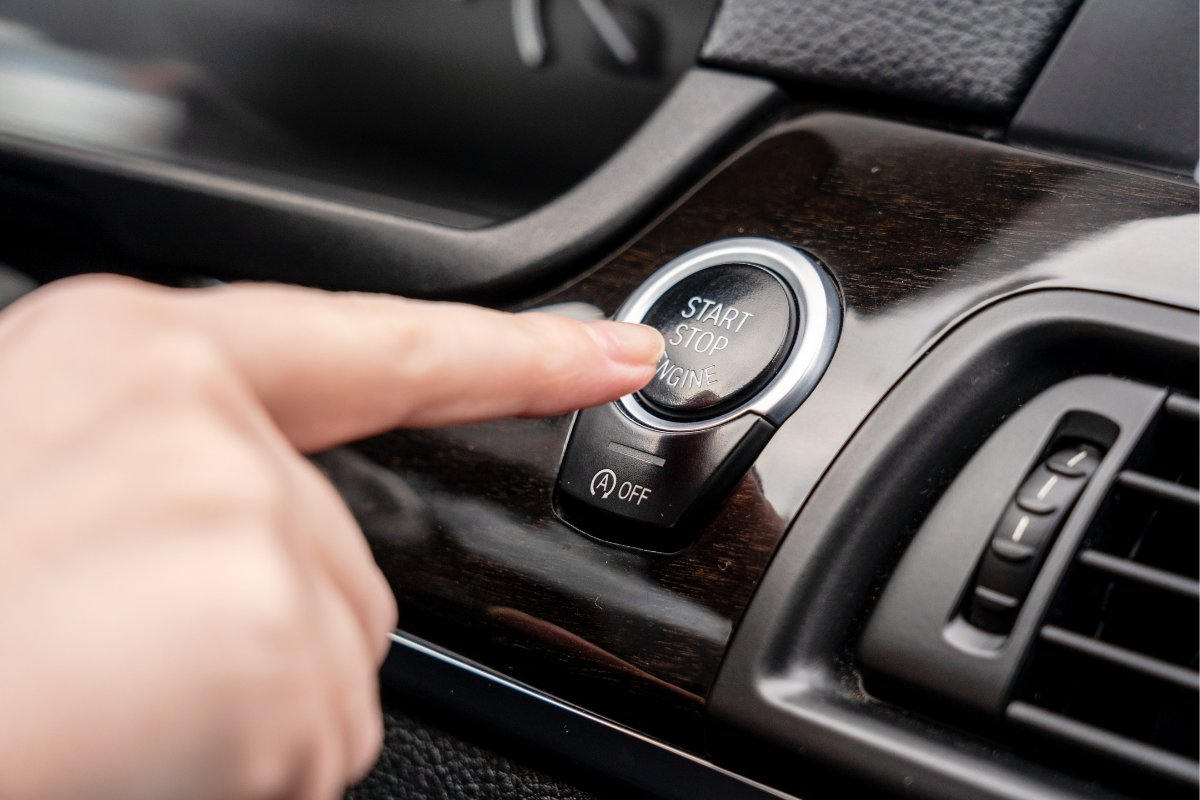
There are few things more frustrating than being stuck with a car that won’t start. Not only can it disrupt your plans, but it can also leave you wondering whether the problem is minor or the start of a costly repair.
Before jumping to conclusions, working through a few basic checks can help you understand what might be wrong and what your next step should be.
If you're facing car troubles, use this quick checklist to help diagnose the issue.
Check the Battery
A dead or weak battery is one of the most common reasons a car won’t start.
Signs of a battery issue can include:
No sounds when turning the key or pressing the start button
Dim or non-working dashboard lights
Clicking noises when attempting to start
A jump-start or portable battery charger may get the car running temporarily.
Inspect Battery Connections
Even if the battery itself is fine, loose or corroded connections can prevent the car from starting.
Check for:
Loose cables
Corrosion or debris on the battery terminals
If safe to do so, cleaning the terminals and securing the connections may resolve the issue.
Make Sure There’s Fuel
Sometimes the simplest explanation is the right one. Check your fuel gauge to confirm there’s enough gas in the tank. Without fuel, the engine won’t start.
If the tank was recently filled but is now empty, take a moment to look under the vehicle for signs of a fuel leak. In that case, avoid attempting to start the car and seek professional help.
Check the Key Fob Battery
For vehicles with push-button start systems, a dead key fob battery can prevent the car from recognizing the key.
If the car doesn’t respond at all, try:
Replacing the key fob battery
Using the manual start method described in your vehicle’s owner’s manual
Is the Steering Wheel Locked?
Sometimes the steering wheel locks when pressure is applied after the engine is turned off. This can prevent the key from turning or the car from starting.
Try gently turning the steering wheel side to side while turning the key or pressing the start button.
Consider the Starter
If the battery is charged but the engine won’t turn over, the starter motor may be the issue. A single click or no response at all can indicate a failing starter.
Starter problems typically require professional diagnosis and repair.
What Are Your Immediate Options?
If basic checks don’t solve the problem, you may need to decide what to do next. The first step is to call a local tow truck company that can transport the vehcile to a repair shop for diagnosis. This may be necessary if the issue invovles engine components.
Is It Worth Repairing?
Once the problem is identified, it’s important to weigh repair costs against the value of the vehicle.
Repairs may make sense if:
The car is relatively new
The issue is isolated and affordable
The vehicle has been reliable overall
Repairs may not be worthwhile if:
The car is older with high mileage
Starting issues happen frequently
Repair costs approach or exceed the car’s value
When Letting Go May Make Sense
For older vehicles that won’t start and require expensive repairs, some owners choose not to fix the car at all. Instead, they explore options for selling the vehicle as-is for parts or scrap.
This approach can help avoid further repair costs, free up space in your driveway or garage, and provide some additional cash!
Get the Top Offer from Local Recyclers
Local recyclers bid. You get paid, towing included.